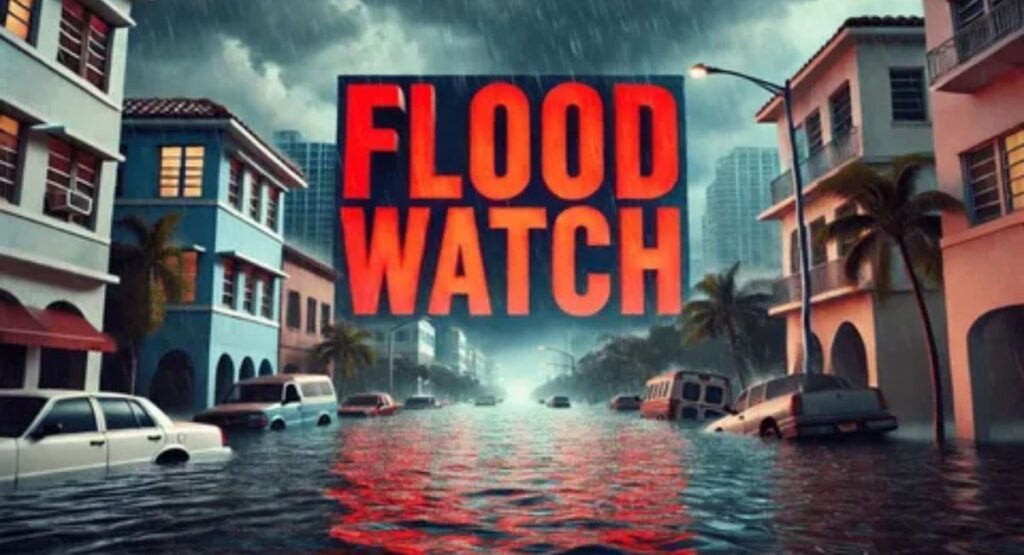
When weather authorities issue a flood watch, most people scroll past it. That’s a mistake that costs lives every single year. A flood watch is an official meteorological declaration that conditions are favorable for flooding to develop — and your window to prepare is closing faster than you think.
Understanding this alert, and acting on it immediately, is the difference between safety and catastrophe.

What a Flood Watch Actually Means for Your Area
A flood watch doesn’t mean flooding is happening right now. It means the atmospheric ingredients — saturated ground, heavy precipitation forecasts, and drainage system capacity — have aligned enough to make flooding a credible, imminent threat.
The official federal meteorological safety frameworks from the National Weather Service define this alert as a condition where flooding is “possible” within a specific area, typically within 12 to 48 hours of issuance. That window is your preparation time.
Ignoring it treats a loaded situation as if it were benign.
Flood Watch vs. Flood Warning: Know the Critical Difference
| Metric | Flood Watch | Flood Warning |
| Threat Level | Flooding is possible | Flooding is occurring or imminent |
| Timing | 12–48 hours advance notice | Immediate — hours or less |
| Certainty Level | Conditions are favorable | Threat is confirmed |
| Required Action | Prepare and monitor | Act immediately — evacuate if needed |
| Who Issues It | National Weather Service | National Weather Service |
| Risk Window | Developing situation | Active emergency |
The distinction matters because Watch requires preparation, while Warning requires instant action. Most casualties occur because people treat a Warning like a Watch — already too late to move safely.
How to Respond During a Flood Watch: Step-by-Step
Don’t wait for the warning. When a flood watch is issued for your region, execute these steps immediately:
- Monitor continuous updates — NOAA weather radio, local emergency management apps, and official meteorological channels, not social media
- Move valuables and documents upstairs — flood damage to ground-floor storage is often unrecoverable
- Clear storm drains around your property if accessible and safe to do so
- Charge all devices — phones, backup batteries, and emergency radios need full power before conditions deteriorate
- Identify your evacuation route — map it, tell family members, and verify it doesn’t cross flood-prone low-lying roads
- Prepare your emergency kit including: clean water (one gallon per person per day for three days minimum), non-perishable food, first aid supplies, copies of critical documents, flashlights, and cash in small bills
- Check on vulnerable neighbors — elderly residents and those with mobility limitations need early warnings, not last-minute assistance
Basement and Ground-Level Protection
Basements flood faster than any other space in a residential structure. If a flood watch is active and heavy rainfall is already beginning, move anything irreplaceable off basement floors immediately.
Sump pump functionality should be verified before the storm intensifies. A failed sump pump during peak rainfall input is one of the leading causes of catastrophic residential flood damage.
For homeowners tracking seasonal weather patterns and infrastructure risks, platforms like Wheerly’s weather and safety resource hub provide actionable context alongside real-time alert coverage.
Strategic Summary
Flood watches exist precisely because early warning systems save lives — but only when people treat them seriously. The meteorological infrastructure behind these alerts involves atmospheric modeling, rainfall accumulation forecasting, and soil saturation data working in concert. That sophistication deserves a proportionate response from the public.
Prepare during the Watch. Execute during the Warning. Never reverse that sequence.


Pingback: AOL News: 5 Reasons It's Still Essential in 2026