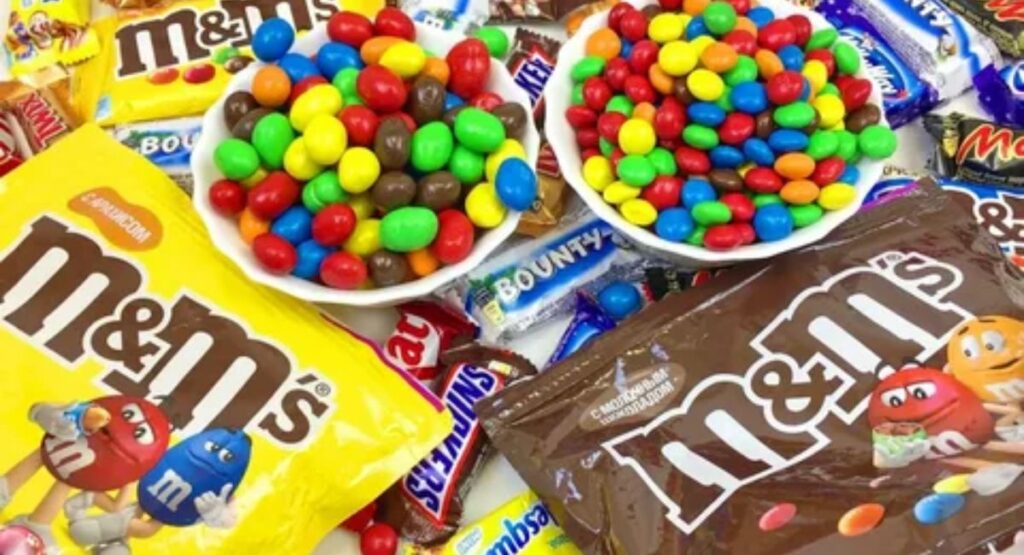
It is hard to find a candy bowl that does not feature a colorful splash of M&Ms. These iconic, candy-coated chocolate pieces have been a staple of movie nights, road trips, and baking sessions for generations. Whether you stick to the classic milk chocolate or hunt down limited-edition flavors, there is an undeniable magic to how these tiny treats captured our hearts.
In this comprehensive guide, we will dive deep into the rich history, surprising facts, and culinary versatility of this legendary confectionery brand.

The Fascinating History of M&Ms
The story of this beloved candy begins in the 1940s during the Spanish Civil War. Legend has it that Forrest Mars Sr. saw soldiers eating small chocolate pellets encased in a hard sugar shell. This clever coating kept the chocolate from melting in their hands, inspiring a revolutionary idea back home.
Upon returning to the United States, Mars partnered with Bruce Murrie, the son of Hershey’s executive William Murrie. The partnership combined their last initials, giving birth to the brand name we all know today. The candies were originally packaged in cardboard tubes and distributed exclusively to the military during World War II.
By the time the war ended, the public was hooked. The iconic “M” was first printed on the candies in 1950 to ensure buyers were getting the authentic product rather than a cheap imitation.
Why the Candy-Coated Design Changed Everything
The famous slogan, “Melts in your mouth, not in your hand,” perfectly sums up the engineering brilliance behind the treat. Before temperature-controlled logistics, selling chocolate in the summer was an absolute nightmare for shopkeepers. The candy coating solved this problem entirely.
The manufacturing process uses a method called panning. Chocolate centers are tumbled in a spinning drum while a sugar syrup is slowly sprayed over them. As the moisture evaporates, it leaves behind a perfectly crisp, hardened shell ready for coloring.
A Flavor for Every Chocolate Lover
While the classic milk chocolate variety remains a timeless favorite, the brand has continually pushed the boundaries of flavor innovation. Walking down the candy aisle today reveals a massive lineup of textures and tastes.
Here are some of the most popular varieties available today:
- Milk Chocolate: The original blueprint featuring smooth chocolate inside a crisp shell.
- Peanut: Introduced in 1954, adding a massive crunch factor that rivals the original’s popularity.
- Peanut Butter: A rich, creamy alternative that directly competes with traditional peanut butter cups.
- Crispy: A lighter option featuring a puffed rice center that delivers an extra airy crunch.
- Minis: Smaller versions of the classic, packaged in nostalgic plastic tubes that are perfect for baking.
- Almond & Dark Chocolate: Premium twists designed for older palates looking for a richer flavor profile.
Baking and Crafting with M&Ms
Beyond being a great standalone snack, these colorful buttons are an absolute staple in modern baking. Their sturdy shells hold up surprisingly well against the intense heat of the oven, preventing the chocolate from completely bleeding into your dough.
If you want to elevate your home baking, try incorporating them into classic recipes. They add both visual appeal and a distinct texture to homemade chocolate chip cookies, chewy fudge brownies, and sweet-and-salty trail mixes. You can also look up official inspiration on the Mars corporate website to see how professionals use these treats in festive holiday desserts.
Frequently Asked Questions
What do the two ‘M’s stand for?
The name stands for Mars and Murrie. It represents the original 1941 partnership between Forrest Mars Sr. and Bruce Murrie, who helped secure the chocolate supply during wartime shortages.
When were the colorful character mascots introduced?
While the candies have always been colorful, the sentient “spokescandies” debuted in 1954 alongside the launch of Peanut variety. Red and Yellow were the original duo, with Green, Blue, Orange, and Brown joining the crew in later decades.
Are all the flavors in a standard bag identical?
Yes, for the classic varieties. Every color in a standard bag of Milk Chocolate shares the exact same chocolate recipe; the colored dye on the outer shell does not possess individual fruit or distinct flavorings.
Conclusion: A Timeless Pop Culture Icon
From deep space missions with NASA astronauts to starring roles in blockbuster commercial campaigns, M&Ms have evolved from a simple wartime ration into a global cultural phenomenon. Their brilliant combination of color, crunch, and high-quality chocolate ensures they will remain a pantry favorite for decades to come. Next time you open a bag, take a moment to appreciate the decades of history packed into every colorful bite.

