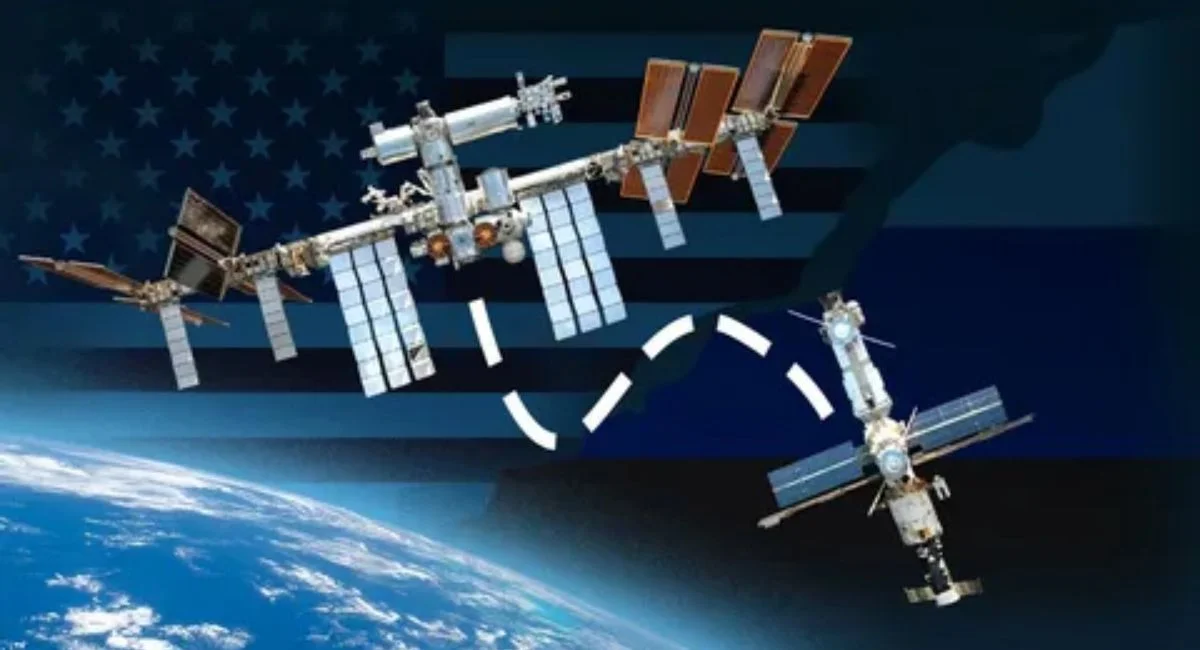
The International Space Station (ISS) has long stood as a shining symbol of global cooperation, floating high above our terrestrial borders. However, that cooperative spirit faced an unprecedented technical and diplomatic test on June 5, 2026. A worsening structural emergency combined with a high-stakes disagreement between space agencies sparked massive headlines, drawing intense global focus to the iss russia drill tension unfolding 250 miles above the Earth.

When an orbital emergency triggers an evacuation protocol, every second counts. The recent incident forced five astronauts to abandon their daily routines and take immediate refuge in a spacecraft. Let’s look closely at the engineering disputes behind the iss russia drill tension, what happened during those two hours of high anxiety, and what this means for the future of our aging microgravity laboratory.
The Core Technical Dispute Inside the Zvezda Module
To understand the sudden escalation of the iss russia drill tension, we have to examine the lingering structural vulnerabilities of the orbital outpost. For several years, engineers at NASA and Roscosmos have been tracking persistent, minor air leaks inside the PrK transfer tunnel—a small vestibule that connects the main Russian Zvezda service module to a primary spacecraft docking port. Recently, the rate of escaping air doubled, rising to over two pounds of atmosphere lost per day.
Faced with this worsening threat, Roscosmos engineers developed a highly aggressive repair strategy: using a mechanical saw and drill to cut away a structural, load-bearing bracket inside the module to gain better physical access to the microscopic metal cracks. NASA mission managers strongly disagreed with this method, arguing that drilling and sawing into an aging, pressurized hull posed an immediate structural risk that could cause the section to crack completely open under the intense stress of space.
Timeline of the June 5 Emergency Shell Protocol
When Roscosmos moved forward with preparations for the intrusive operation despite American safety objections, NASA Mission Control refused to take chances. The resulting emergency response unfolded rapidly across a tense two-hour window:
- 9:04 AM ET – The Shelter Order: NASA ordered its five crew members, including the personnel from the current SpaceX Crew-12 mission, to immediately drop their tasks and retreat to their docked Crew Dragon spacecraft.
- Sealing the Hatches: The astronauts quickly closed the pressure hatches behind them, transforming the Dragon capsule into a self-contained life raft ready for immediate emergency detachment from the space station if the Russian repair went wrong.
- The Stand-Off in Orbit: While the American crew sat securely in their flight suits, intense discussions took place between mission control rooms in Houston and Moscow regarding the safety of the impending mechanical drilling.
- 11:00 AM ET – The Operational Reprieve: Following the firm pushback and the visual gravity of an evacuation drill, Roscosmos officially postponed the high-risk sawing operation, allowing NASA to safely clear the crew to return to the main cabin.
The Resolution: Giving Up on the Leaky Vestibule
The fallout from this dramatic stand-off has permanently altered how the international outpost operates. Following days of rigorous diplomatic and engineering deliberations after the incident, sources indicate that Roscosmos has finally decided to throw in the towel on repairing the stubborn cracks. Instead of attempting further hazardous drilling or sawing, the space agencies are preparing to permanently decommission the PrK transfer tunnel.
This means closing the hatch to that specific compartment for good, effectively creating a structural barrier against further air loss. While this passive fix isolates the leak, it also means Russian cosmonauts will permanently lose access to that specific rear docking port, forcing supply ships to divert to other areas of the station. If you want to explore how international treaties and scientific bodies manage these complex extra-atmospheric agreements, reviewing official publications on the United Nations Office for Outer Space Affairs framework offers brilliant geopolitical context.
Frequently Asked Questions
Were the astronauts in immediate danger during the shelter event?
No. The evacuation drill was a proactive, precautionary measure ordered by NASA because the proposed Russian repair method introduced an unpredictable structural risk to the surrounding pressure hull.
How will Russia deliver supplies if the docking port is sealed?
While losing the rear Zvezda port reduces operational flexibility, the Russian segment features multiple alternative docking hubs that can safely accept Progress cargo ships and Soyuz crew capsules.
Does this tension mean the space station will be abandoned early?
No. Despite the structural issues and engineering disagreements, both NASA and Roscosmos remain officially committed to operating and maintaining the orbital facility safely through its planned retirement window at the end of the decade.
Conclusion
The recent iss russia drill tension serves as a stark reminder of the immense physical and political challenges involved in maintaining an aging laboratory in the vacuum of space. By prioritizing crew safety and forcing a temporary evacuation shelter protocol, NASA successfully averted a high-risk mechanical repair that could have compromised the structural integrity of the station. As the hatch on the leaky PrK module closes permanently, the incident highlights that even when geopolitical relations on the ground are strained, the shared reality of space survival requires a delicate balance of firm boundaries and ultimate cooperation.

