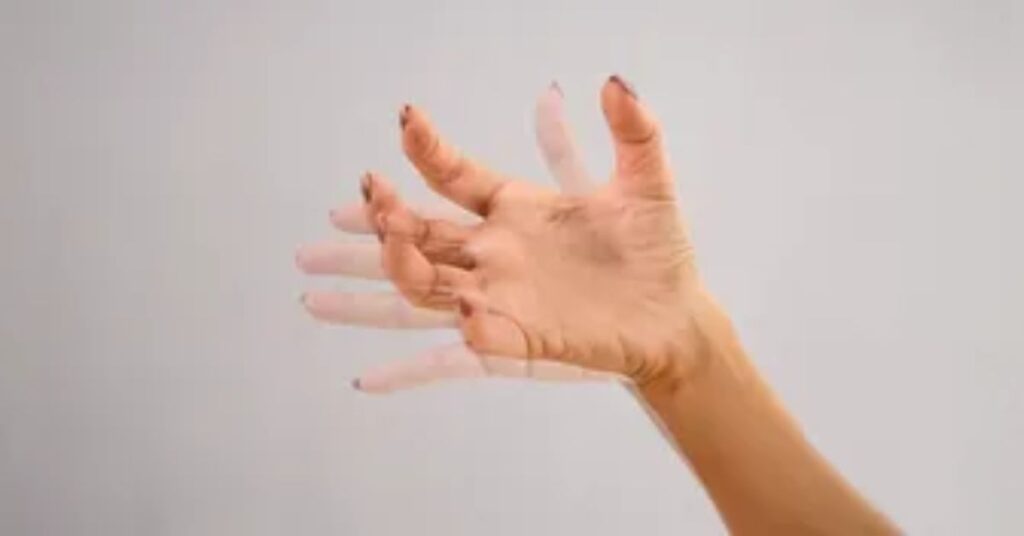
A shaky hand during a stressful meeting is one thing. A tremor that shows up at rest, worsens over time, or interferes with everyday tasks like holding a cup or signing your name is something else entirely. Understanding why your hands shake causes requires separating the harmless, temporary triggers from the patterns that genuinely warrant a conversation with a doctor.
What a Hand Tremor Actually Is
A tremor is an involuntary, rhythmic muscle contraction that causes shaking in one or both hands. Tremors are not a disease on their own. They are a symptom, and the underlying cause can range from something as simple as too much caffeine to something as serious as an early neurological condition.
Doctors generally classify tremors by when they occur:
- Resting tremor: happens when the hand is relaxed and not being used
- Action tremor: occurs during voluntary movement, such as reaching for an object
- Postural tremor: appears when holding a position against gravity, like extending an arm
This distinction matters because different tremor types point toward different underlying causes, which is exactly what a neurologist evaluates during a clinical exam.
Common, Non-Neurological Causes of Shaky Hands
Caffeine and Stimulant Intake
Excess caffeine is one of the most common and easily reversible causes of hand shaking. Stimulants increase nervous system activity, and for many people, cutting back on coffee, energy drinks, or certain medications resolves the shakiness within days.
Low Blood Sugar
Hypoglycemia triggers a release of adrenaline as the body tries to raise blood sugar levels, and shaky hands are a classic early symptom. This is particularly common in people with diabetes managing insulin or medication doses, but it can also happen in anyone who has gone too long without eating.
Stress and Anxiety
The body’s fight or flight response floods the system with adrenaline, and one of the physical side effects is fine muscle tremor, often most noticeable in the hands. Unlike neurological tremors, stress related shaking typically fades once the anxious episode passes.
Fatigue and Lack of Sleep
Poor sleep affects the nervous system’s ability to regulate muscle control smoothly, and persistent fatigue can produce a fine, temporary tremor that improves with adequate rest.
Alcohol Withdrawal
For individuals who drink regularly, hand tremors are a well documented withdrawal symptom that typically appears within hours of the last drink. This particular cause should be taken seriously, since alcohol withdrawal can escalate and may require medical supervision in more significant cases.
Certain Medications
Some prescription drugs, including certain asthma medications, antidepressants, and mood stabilizers, list tremor as a known side effect. If shaking started shortly after beginning a new medication, that timing is worth mentioning to the prescribing doctor rather than assuming it is unrelated.
Neurological Causes Behind Persistent Hand Tremors
Essential Tremor
Essential tremor is the most common neurological cause of chronic hand shaking. It typically appears as an action tremor, meaning it worsens when reaching for something or holding an object, and often runs in families. It is not the same condition as Parkinson’s disease, though the two are sometimes confused because both involve tremor.
Parkinson’s Disease
Parkinson’s related tremor classically presents as a resting tremor, often starting in one hand and sometimes described as a “pill rolling” motion between the thumb and fingers. It tends to improve during voluntary movement, which is the opposite pattern seen in essential tremor. Parkinson’s tremor is usually accompanied by other symptoms over time, including stiffness and slowed movement, and diagnosis requires a proper neurological evaluation rather than symptom matching alone.
Hyperthyroidism
An overactive thyroid floods the body with excess thyroid hormone, which can produce a fine, rapid tremor in the hands alongside other symptoms like unexplained weight loss, rapid heartbeat, and heat intolerance. This is diagnosed through blood testing and is generally treatable once identified.
Multiple Sclerosis and Other Neurological Conditions
Less commonly, tremor can be an early sign of conditions affecting the central nervous system, including multiple sclerosis. These cases usually present alongside other neurological symptoms, and a proper diagnosis depends entirely on a full clinical workup rather than tremor presentation alone.
When Hand Shaking Warrants a Doctor’s Visit
Not every shaky moment needs medical attention, but certain patterns should prompt an appointment rather than a wait and see approach:
- Tremor that worsens progressively over weeks or months
- Shaking that interferes with writing, eating, or fine motor tasks
- Tremor accompanied by other symptoms, such as stiffness, balance issues, or unexplained weight changes
- A tremor that started suddenly without an obvious trigger like caffeine or stress
- Family history of neurological tremor conditions combined with new symptoms
A neurologist typically evaluates tremor through a physical exam, observing when the shaking occurs and its pattern, sometimes supported by blood tests or imaging depending on what other symptoms are present.
Practical Steps for Managing Non-Neurological Tremor Triggers
Adjust Caffeine and Stimulant Intake
Gradually reducing caffeine rather than stopping abruptly tends to be more comfortable and gives a clearer picture of whether it was actually contributing to the shaking.
Stabilize Blood Sugar Through Regular Meals
Eating consistently throughout the day, rather than going long stretches without food, helps prevent the blood sugar dips that commonly trigger shaky hands.
Prioritize Sleep Quality
Addressing chronic sleep deprivation often resolves fatigue related tremor without any other intervention needed.
Build in Stress Management Practices
Since stress driven shaking is tied directly to the body’s adrenaline response, incorporating regular stress reduction into a daily routine, whether that is exercise, breathing techniques, or simply carving out downtime, can meaningfully reduce how often stress related tremors show up. For people who also deal with stress related skin flare ups or want a broader self care routine addressing both, advanced skin health services are sometimes part of a wider stress management approach some people build into their wellness routine, though this addresses skin symptoms specifically rather than the tremor itself.
What Treatment Looks Like for Neurological Tremors
For tremors with a confirmed neurological cause, treatment depends heavily on the specific diagnosis. Essential tremor is sometimes managed with medication that reduces tremor severity, and in more significant cases, other interventions may be considered. Parkinson’s related tremor is typically addressed as part of a broader treatment plan for the condition itself, managed by a neurologist over time rather than treated as an isolated symptom.
Self diagnosing based on symptoms alone is genuinely risky here, since essential tremor and Parkinson’s tremor can look similar to an untrained eye but require very different management approaches. For deeper background on tremor causes and current medical research on nervous system conditions linked to shaking, established medical resources provide detailed, continuously updated information worth reviewing alongside a doctor’s evaluation.
Final Thoughts
Shaky hands are common enough that most people experience them at some point without anything serious being wrong, whether from too much coffee, a stressful week, or simple fatigue. But persistent, worsening, or unusual tremor patterns deserve real medical attention rather than assumptions made from a symptom checklist. Understanding the difference between everyday triggers and genuine neurological warning signs is the first step toward getting the right answer, and the right treatment, instead of guessing.
This article is for informational purposes and is not a substitute for professional medical advice. If you’re experiencing persistent or worsening hand tremors, please consult a doctor or neurologist for proper evaluation.

