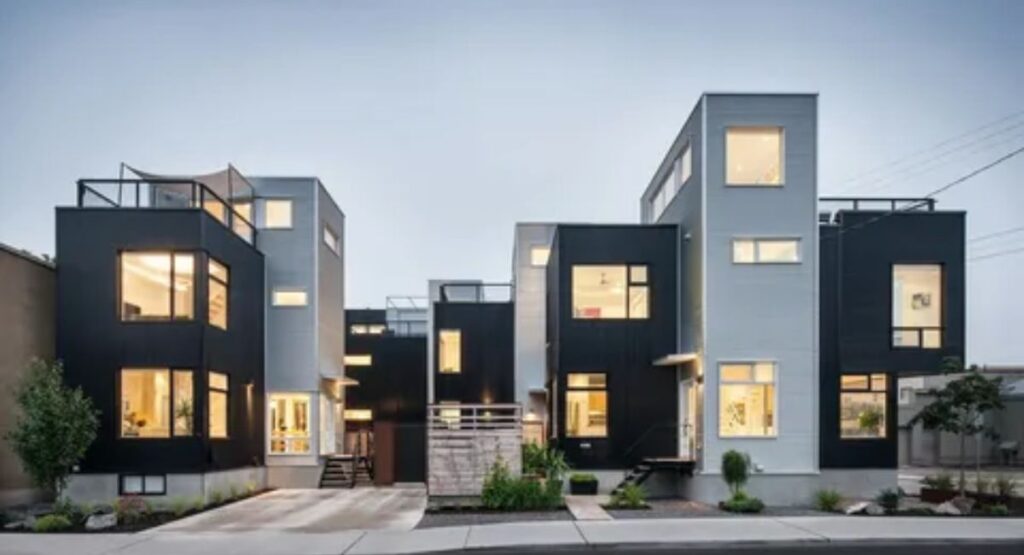
The evolution of high end residential design is frequently shaped by iconic tastemakers whose personal style transcends passing trends. Creating an interior space that balances historical character with lived-in elegance requires a deep, fundamental understanding of scale, color theory, and material authenticity. Within the competitive realm of historic preservation and luxury interior architecture, properties curated by mid-century style icons stand today as timeless blueprints for modern designers looking to construct living spaces with genuine depth.
A premier example of this unmatched aesthetic execution is found within the private estates of the late style icon, Rachel “Bunny” Mellon. Her celebrated properties spanning from Washington, D.C., to Manhattan and Virginia’s elite horse country defined a unique design language that merged understated luxury with artistic collaboration. This detailed layout explores the rich design history, bespoke interior art, and architectural layouts of these magnificent properties.
1. The Aesthetic Philosophy of Bunny Mellon
Understated Luxury and Muted Palettes
Bunny Mellon’s approach to high end residential design was anchored in a concept often described as “refined simplicity.” Instead of relying on flashy furnishings or loud, dramatic color contrasts, her legendary homes focused on building visual depth through rich textures, custom woodwork, and soft, natural lighting layers. Every room was meticulously curated to feel comfortable, warm, and inviting, presenting an expensive look without appearing ostentatious.
Capturing Light and Visual Scale
The architectural layout of her homes consistently emphasized a seamless connection between indoor living spaces and the surrounding natural world. Large, expansive windows were utilized to flood her rooms with natural ambient light, highlighting the organic textures of her custom fabrics and unique furniture arrangements. This careful attention to visual scale ensured that even her grandest estate rooms maintained an intimate, serene atmosphere.
2. Artistic Collaboration: The Snowy Campbell Paintings

Documenting Historic Interiors
True interior styling is elevated to museum-grade significance when documented by exceptional fine artists. Bunny Mellon’s close friend and celebrated artist, Snowy Campbell, spent years capturing the vibrant essence of her residences through intricate, customized paintings. These detailed artworks serve as an invaluable historical archive, documenting the precise placement of furniture, textiles, and fine art collections exactly as the style icon intended.
Visualizing the Rooms Today
Through these unique illustrations, design enthusiasts and professional architects can examine the private spaces that shaped mid-century luxury style. Campbell’s paintings beautifully capture the specific pastel hues, custom painted flooring patterns, and organic floral arrangements that defined the Mellon style. This visual record provides an authentic, rare look inside private rooms that were otherwise hidden from the public eye for generations.
3. A Tour of the Geographic Estates: Masterclasses in High End Residential Design
The Washington, D.C., Townhouse
Located in the heart of the nation’s capital, Mellon’s D.C. residence served as a masterclass in urban luxury. The interiors combined formal European antiques with relaxed, comfortable upholstery, creating a sophisticated environment suited for high-society political gatherings, intimate cocktail hours, and quiet personal retreats.
The Manhattan Masterpiece
In New York City, Mellon’s private apartment stood out as a peaceful sanctuary positioned high above the bustling metropolitan landscape. The design emphasized vertical scale, utilizing tall built-in bookshelves, striking gallery-grade art layers, and crisp white linens to forge a bright, airy environment that felt exceptionally expansive.
The Virginia Horse Country Estate

The true crown jewel of her architectural portfolio was her expansive country estate located in Virginia’s premier horse country. This massive property allowed Mellon to showcase her immense talent for landscape design alongside her interior curation. The rooms featured:
- Exposed Reclaimed Wood Beams: Introducing rich organic texture and old-world structural charm.
- Matte Living Finishes: Hand-rubbed brass hardware and natural terracotta elements that aged beautifully over time.
- Botanical Art Integration: Curated floral prints and custom garden-facing vistas that seamlessly pulled the outdoors inside.
Frequently Asked Questions (FAQs)
1. Who was Bunny Mellon and why is she considered a style icon? Rachel “Bunny” Mellon was a highly influential American tastemaker, art collector, and landscape designer. She is universally celebrated for her refined aesthetic choices, which included designing the White House Rose Garden and curating world-class residential properties.
2. How did artist Snowy Campbell contribute to Bunny Mellon’s design legacy? Snowy Campbell was a close personal friend of Mellon who meticulously painted the interiors of her various homes, creating an invaluable visual archive of her iconic room layouts, custom paint finishes, and antique placements.
3. What are the key features of Bunny Mellon’s country estate in Virginia? Her Virginia country home featured heavy architectural character, utilizing exposed wood beams, matte finishes, custom botanical art prints, and expansive windows that integrated the rooms directly with her famous garden layouts.
4. How can I replicate Bunny Mellon’s design style in a modern home? Focus on building a foundation of high-quality natural materials, such as linen textiles, solid wood furniture, and soft organic colors. Prioritize physical comfort and layered ambient lighting over sterile, minimalist modernism.
5. Why are historical property layouts valuable for modern interior architects? Sourcing inspiration from documented, timeless estates teaches modern designers how to balance scale, mix historical antiques with contemporary seating, and create living spaces that maintain total design value for decades.
Conclusion
Sourcing design inspiration from iconic residential properties demonstrates that true interior luxury is never defined by fleeting fast-fashion furniture trends. The enduring appeal of Bunny Mellon’s legendary homes lies in her unyielding commitment to material authenticity, tactical simplicity, and close collaboration with brilliant fine artists like Snowy Campbell. By analyzing her strategic use of layered natural textures, muted color palettes, and open garden-facing vistas, property owners can easily elevate the visual language of their own estates. Exploring digital insights platforms can guide you further in merging historic interior heritage with modern lifestyle standards to craft a beautiful, timeless home that never goes out of style.

