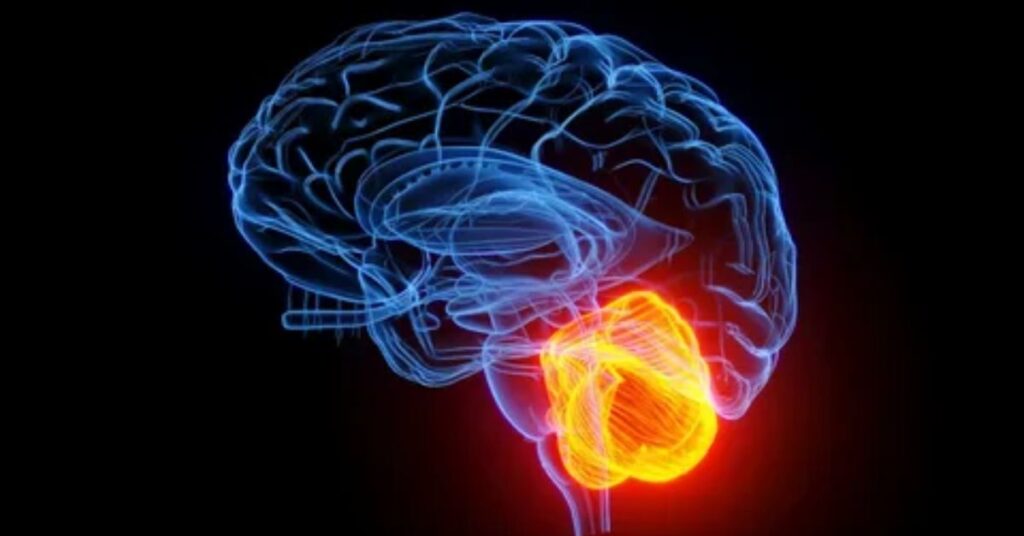
The idea that a single brain chemical explains mood and behavior is appealing because it is simple. The actual science is more complicated, and more interesting. Low serotonin levels and solitude brain connections are real and worth understanding, but serotonin is one piece of a larger, more nuanced picture involving multiple brain systems, not a standalone explanation for why someone withdraws from others.
What Serotonin Actually Does in the Brain
Serotonin is a neurotransmitter involved in regulating mood, sleep, appetite, and social behavior, among other functions. It does not work in isolation. Serotonin interacts with other neurotransmitter systems, including dopamine and norepinephrine, and its effects depend heavily on which brain regions and receptor types are involved in a given process.
Serotonin’s Role in Social Behavior
Research has linked serotonin activity to social engagement and dominance behavior across various studies, including animal research showing that altered serotonin signaling can influence social approach versus avoidance behavior. In humans, the relationship is less direct but still meaningful, with serotonin function implicated in how rewarding or threatening social interaction feels.
Why the “Chemical Imbalance” Explanation Is More Complicated Than It Sounds
The Popular Simplified Version
For years, depression and related withdrawal behaviors were commonly explained to the public as a straightforward case of low serotonin, with the implication that boosting serotonin levels would directly resolve symptoms. This framing became widespread partly because it was easy to communicate and lined up with how certain antidepressant medications work.
What More Recent Research Actually Shows
More recent, comprehensive reviews of the research have found that the evidence for depression being simply caused by low serotonin is considerably weaker than the popular narrative suggests. This does not mean serotonin is irrelevant. It means the relationship between serotonin, mood, and behaviors like social withdrawal is genuinely more complex than a simple deficiency model implies, involving multiple interacting systems rather than one chemical acting alone.
Why This Distinction Matters
Understanding this nuance matters because oversimplified explanations can lead to unrealistic expectations about treatment, and can also inadvertently minimize the genuine psychological and environmental factors that contribute significantly to withdrawal and low mood alongside any neurochemical component.
How Altered Serotonin Function May Contribute to Withdrawal Patterns
Effects on Mood Regulation
Serotonin activity is genuinely involved in mood regulation, and disruptions in serotonin signaling are associated with low mood states that can reduce the motivation and perceived reward associated with social interaction, contributing to a preference for solitude that goes beyond a simple personality trait.
Interaction With the Reward System
Serotonin interacts with dopamine pathways involved in reward processing. When this interaction is disrupted, activities that would normally feel rewarding, including social connection, may generate less of a positive response, making solitude feel like the less effortful and more neutral option by comparison.
Anxiety and Serotonin Interplay
Serotonin function is also implicated in anxiety regulation, and altered serotonin signaling can contribute to heightened anxiety in social situations specifically, adding another layer to why solitude might feel preferable when social interaction consistently triggers a disproportionate stress response.
Other Factors That Matter Just as Much
Environmental and Life Circumstances
Chronic stress, difficult life circumstances, grief, and ongoing relationship or work pressures all contribute significantly to withdrawal patterns, independent of any neurochemical factor. Reducing withdrawal to a purely biochemical explanation risks overlooking these genuinely significant contributing factors.
Learned Behavioral Patterns
As covered in related discussions of anxiety and depression driven withdrawal, avoidance behavior is also reinforced through learned patterns, where temporary relief from avoiding a stressful interaction reinforces the likelihood of avoiding future interactions, a psychological mechanism distinct from serotonin activity specifically.
Individual Personality and Temperament
Baseline differences in temperament, including natural variation in how much social stimulation someone finds comfortable, also play a meaningful role and should not be conflated with a purely neurochemical explanation for solitude seeking behavior.
What This Means for Treatment
Why Medication Alone Is Often Not a Complete Solution
Given the more complex picture, it makes sense that medications targeting serotonin, while helpful for some people, do not resolve symptoms for everyone, and often work best when combined with therapy addressing the psychological and behavioral patterns contributing to withdrawal alongside any neurochemical factor.
The Value of a Combined Approach
Treatment approaches combining therapy, lifestyle changes, and medication when appropriate tend to address the fuller picture of what drives withdrawal and low mood, rather than relying on a single intervention targeting one neurotransmitter system in isolation.
Lifestyle Factors That Influence Serotonin Function
Certain lifestyle factors, including regular exercise, adequate sunlight exposure, and consistent sleep, have been associated with supporting healthy serotonin function, offering a meaningful, evidence supported complement to other treatment approaches rather than a standalone fix.
When Withdrawal Warrants Professional Evaluation
Regardless of the underlying mechanism, whether primarily neurochemical, psychological, environmental, or some combination, persistent withdrawal that significantly affects daily functioning, relationships, or overall wellbeing deserves a proper evaluation. A doctor or mental health professional can assess the fuller picture and help determine an appropriate, individualized treatment approach rather than one based on an oversimplified single cause.
Further Reading on the Science
For readers wanting a deeper, more nuanced look at the current state of research connecting brain chemistry to mood and behavior, established medical research on brain chemistry provides detailed, evidence based background that reflects the genuine complexity of this topic, useful context alongside a conversation with a professional.
Final Thoughts
Serotonin genuinely plays a role in mood regulation and social behavior, but the idea that low serotonin alone explains a preference for solitude oversimplifies what current research actually shows. The more accurate picture involves serotonin interacting with other brain systems, alongside genuine psychological, environmental, and behavioral factors, all contributing together to patterns of withdrawal. Understanding this complexity matters because it points toward more effective, individualized treatment approaches rather than expecting a single intervention to address what is actually a multifaceted pattern.
This article is for informational purposes and discusses depression, anxiety, and social withdrawal. If you or someone you know is struggling with severe depression, thoughts of self-harm, or suicidal thoughts, please reach out for support. In the US, you can call or text 988 to reach the Suicide and Crisis Lifeline, available 24/7. If you’re outside the US, please look up your local crisis line or contact a doctor or mental health professional.

