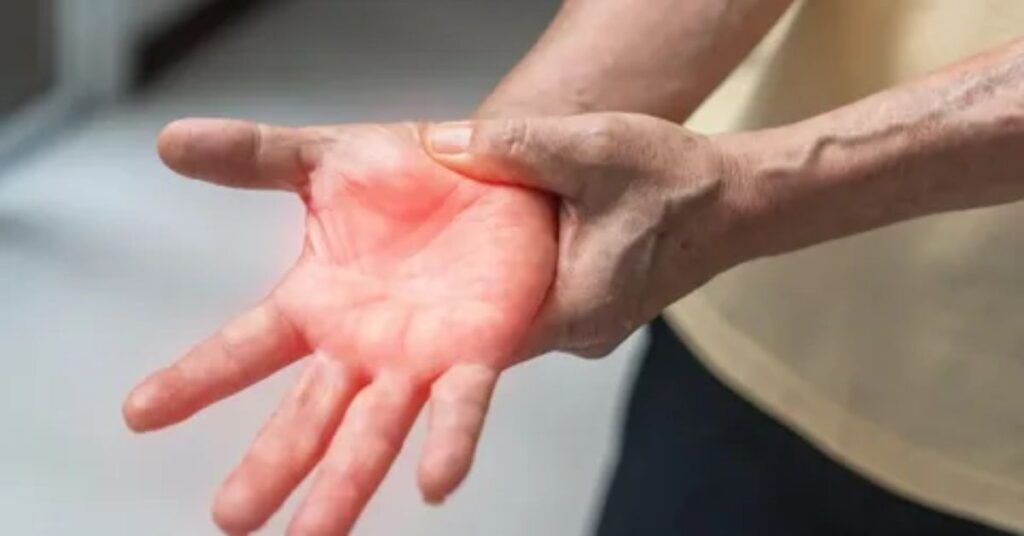
Tremors get associated with older age so consistently that when a hand shakes at twenty, twenty five, or thirty, the reaction is often confusion rather than concern. But hand tremors at young age are far more common than most people realize, and the causes usually skew heavily toward manageable, everyday triggers rather than the neurological conditions typically linked to shaking in older adults.
Why Young Onset Tremors Feel So Alarming
Most public awareness around tremor centers on Parkinson’s disease, which understandably creates anxiety when a younger person notices their own hands shaking. The reality is that Parkinson’s onset in people under forty is genuinely rare, and the vast majority of tremors in younger adults trace back to lifestyle factors, anxiety, or benign neurological conditions that are not progressive or dangerous.
Understanding the actual probability landscape matters here, because unnecessary panic over a caffeine driven shake or a stress response can itself become a source of chronic anxiety, which then makes the tremor worse.
The Most Common Cause: Anxiety and Chronic Stress
How Anxiety Physically Produces Tremor
When the nervous system perceives a threat, real or psychological, it triggers a sympathetic nervous system response, releasing adrenaline that prepares the body for action. One physical side effect of this response is fine muscle tremor, most noticeable in the hands because of how many small, precise muscles are involved in hand movement.
For someone dealing with chronic anxiety rather than occasional stress, this response does not always fully switch off. The result is a tremor that can show up regularly, sometimes even during moments that do not feel consciously stressful, because the nervous system is operating in a persistently activated state.
Why Young Adults Are Particularly Susceptible
Career pressure, financial uncertainty, and the general intensity of navigating early adulthood create sustained stress loads that older, more established adults have often already worked through. Chronic anxiety related tremor tends to cluster heavily in this age group precisely because of these compounding life stressors.
Recognizing Anxiety Driven Tremor Patterns
Anxiety related shaking typically has a few identifiable characteristics:
- It worsens during acute stress and improves during calm periods
- It often comes with other physical anxiety symptoms, like a racing heart or sweaty palms
- It tends to be inconsistent, appearing some days and not others depending on stress levels
- It usually responds, at least partially, to relaxation techniques in the moment
Caffeine and Stimulant Sensitivity in Younger People
Why Young Adults Are More Prone to Caffeine Tremor
Younger adults, particularly students and early career professionals, tend to consume more caffeine through coffee, energy drinks, and pre workout supplements than other age groups. Combined with often irregular sleep and eating patterns, this creates ideal conditions for stimulant driven shaking.
The Caffeine and Anxiety Overlap
Caffeine does not just cause tremor directly. It also amplifies anxiety symptoms, meaning a young adult already dealing with chronic stress who also drinks significant caffeine is often compounding two tremor triggers simultaneously without realizing the two are connected.
A Practical Way to Test This Cause
Reducing caffeine gradually over one to two weeks while tracking whether tremor frequency changes is a straightforward, low risk way to determine how much caffeine is actually contributing, before assuming a more serious underlying cause.
Nerve Related Causes Worth Understanding
Peripheral Nerve Irritation or Compression
Sometimes shaking in young people is not a true neurological tremor at all, but rather related to nerve compression or irritation, such as from repetitive strain, poor posture, or conditions affecting nerve signaling to the hand. This typically presents differently from classic tremor, often alongside tingling, numbness, or weakness rather than pure rhythmic shaking.
Essential Tremor Can Appear Early
While essential tremor is more commonly diagnosed in older adults, it can begin in younger people too, particularly when there is a family history. Unlike anxiety driven shaking, essential tremor tends to be more consistent regardless of stress levels and often worsens gradually over years rather than fluctuating day to day.
Vitamin and Mineral Deficiencies
Deficiencies in certain nutrients, including vitamin B12 and magnesium, can affect nerve and muscle function in ways that contribute to tremor. This is a relatively easy cause to rule out through basic blood testing, and correcting a genuine deficiency often resolves the associated shaking.
When Young Onset Tremor Needs Medical Evaluation
Most young onset tremor is benign, but certain signs should prompt a proper medical evaluation rather than self management alone:
- Tremor accompanied by numbness, tingling, or weakness in the hand or arm
- Shaking that is asymmetrical, affecting one hand significantly more than the other
- A tremor that steadily worsens over months regardless of stress or caffeine changes
- Family history of neurological tremor disorders combined with new, persistent symptoms
- Tremor affecting other parts of the body, not just the hands
A doctor can run basic bloodwork to rule out thyroid issues or nutrient deficiencies, and refer to a neurologist if the pattern suggests something beyond anxiety or lifestyle factors.
Practical Steps for Managing Young Onset Tremor
Address Chronic Anxiety Directly
Since anxiety is the leading cause in this age group, working with a therapist or counselor on the underlying stress, rather than just managing the physical symptom, tends to produce the most meaningful long term improvement. Cognitive behavioral techniques in particular have strong evidence behind them for reducing the physiological symptoms of chronic anxiety.
Build Consistent Sleep and Eating Routines
Irregular schedules common in early adulthood, especially skipped meals and inconsistent sleep, compound both anxiety and stimulant sensitivity. Stabilizing these basics often reduces tremor frequency noticeably within a few weeks.
Moderate Stimulant Intake Thoughtfully
This does not necessarily mean eliminating caffeine entirely, but understanding your personal threshold and staying below the point where it triggers noticeable shaking or anxiety amplification.
Consider a Broader Wellness Routine
Managing chronic stress effectively often benefits from a comprehensive approach rather than addressing anxiety in isolation. Some young adults find that connecting with professional clinical wellness hubs as part of a broader self care routine, alongside proper stress management and sleep habits, supports overall nervous system regulation over time, even though this addresses general wellness rather than the tremor mechanism directly.
Getting an Accurate Picture
For readers wanting a deeper understanding of how different tremor types and nervous system conditions are distinguished clinically, a reliable neurological disorders guide offers detailed, medically reviewed background that complements what a doctor would walk through during an actual evaluation, particularly useful for understanding terminology before an appointment.
Final Thoughts
A shaky hand at a young age is unsettling mostly because of how it gets culturally associated with aging and serious neurological decline, when the actual data points overwhelmingly toward anxiety, caffeine, sleep, and lifestyle factors as the real drivers in this age group. That said, ruling out the less common but more serious causes through a proper medical evaluation is always the responsible move when a tremor is persistent, worsening, or paired with other unusual symptoms. Most young adults dealing with hand tremors find real improvement once the underlying anxiety or lifestyle trigger is actually addressed, rather than just monitoring the shaking itself.
This article is for informational purposes and is not a substitute for professional medical advice. If you’re experiencing persistent hand tremors, please consult a doctor for proper evaluation.

