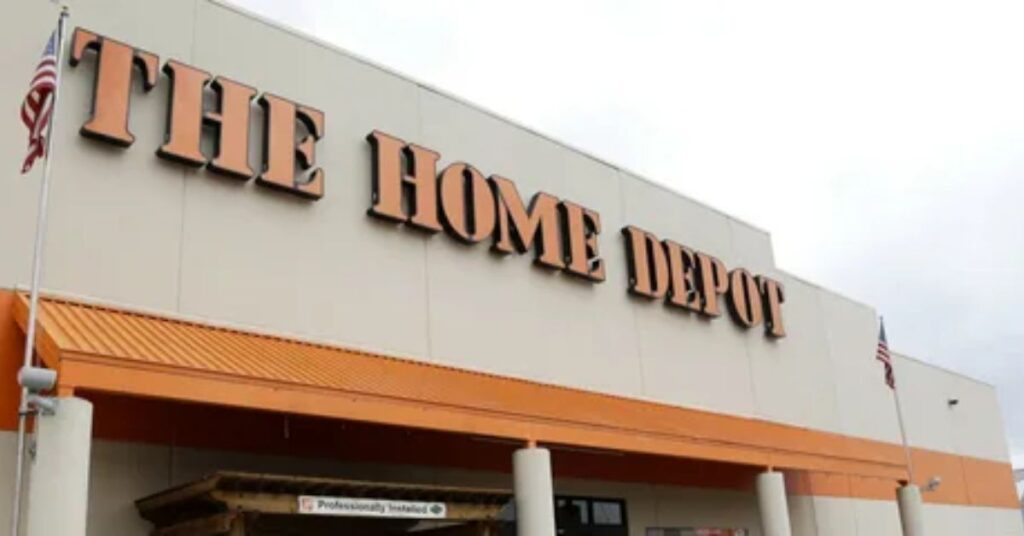
The Home Depot in One Sentence
The Home Depot is the largest home improvement retailer in the United States, selling everything from lumber and paint to appliances and power tools. It serves both everyday homeowners and professional contractors under one roof.
That dual identity is actually the most interesting thing about the store, and it’s something most guides gloss over. This article breaks down exactly what’s on the shelves, who each section is really built for, and how to shop smarter depending on which category you fall into.
A Quick History Snapshot
The Home Depot opened its first stores in 1978 in Atlanta, Georgia, built around a simple idea: stock more inventory than a typical hardware store and staff it with people who actually know how to use the products. That formula scaled into thousands of locations across North America.
Understanding this origin matters because it explains the store’s layout today. Everything is organized around project completion, not just product categories, which is a deliberate design choice rooted in that original concept.
What The Home Depot Actually Sells
Building Materials and Lumber
This is the backbone of the store. Dimensional lumber, plywood, drywall, insulation, and concrete make up a massive portion of floor space, aimed squarely at construction and renovation projects.
Contractors rely on this section daily, often buying in bulk quantities that dwarf a typical homeowner’s needs.
Tools and Hardware
From basic hand tools to full power tool systems, this category covers both weekend DIY needs and professional-grade equipment. Brands span entry-level lines to higher-end professional tools sold under the same roof.
Fasteners, hinges, locks, and general hardware round out this section, covering small fixes as easily as major builds.
Paint and Finishing Supplies
Paint mixing counters are a fixture in nearly every location. Beyond wall paint, this section covers stains, sealants, brushes, and the equipment needed for finishing projects of any scale.
Appliances and Kitchen Fixtures
Refrigerators, washers, dryers, and ranges sit alongside kitchen fixtures like sinks and faucets. This category tends to draw homeowners specifically, since large appliance purchases are less common in commercial contracting work.
Outdoor and Garden Supplies
Lawn equipment, patio furniture, plants, and outdoor power equipment make up a seasonal but significant category. Spring and summer months see this section expand considerably in most locations.
Electrical and Plumbing Supplies
Wiring, outlets, circuit breakers, pipes, and fittings serve both licensed professionals and confident DIYers tackling home repairs. This section requires more product knowledge than most, which is where in-store staff expertise matters most.
Who The Home Depot Is Actually Built For
The Weekend DIYer
If you’re painting a room, fixing a leaky faucet, or building a simple shelf, the store’s layout and staff guidance are designed with you in mind. Project-based aisle organization makes it easier to find everything needed for a single task in one trip.
The Professional Contractor
Bulk pricing, dedicated pro desks, and account-based purchasing exist specifically for contractors buying materials at scale. Many locations offer separate checkout lanes and delivery scheduling built around job site timelines.
The First-Time Homeowner
Someone who just bought their first house often needs a bit of everything at once, from basic tools to appliance replacements. This is where the store’s breadth becomes a genuine advantage rather than overwhelming, since staff can guide first-timers toward starter product lines.
The Renter Handling Small Repairs
Not every shopper is planning a renovation. Simple fixes, replacement parts, and basic maintenance items serve renters and smaller households just as often as major project buyers.
The Home Depot vs a Typical Local Hardware Store
| Factor | The Home Depot | Local Hardware Store |
| Inventory size | Extremely large, tens of thousands of SKUs | Limited, curated selection |
| Bulk contractor pricing | Available through pro accounts | Rarely offered |
| Staff product depth | Varies by department and location | Often deeper, more personalized |
| Appliance selection | Full range in most locations | Usually not carried |
| Convenience for one-stop shopping | High | Lower |
| Pricing on common items | Generally competitive | Can be higher on bulk items |
Neither option is universally better. A contractor buying pallets of lumber usually benefits from big-box pricing, while a homeowner needing specific, expert-level advice on a niche repair sometimes finds more value at a smaller, specialized shop.
Services Beyond Retail Shelves
The Home Depot also offers installation services for products like flooring, water heaters, and garage doors. Tool and equipment rental is available at many locations, useful for one-time jobs that don’t justify a full purchase.
According to the U.S. Small Business Administration, understanding whether to rent or buy equipment for infrequent projects can significantly affect a homeowner’s overall project budget. Rental counters at stores like this one exist specifically to address that calculation.
[Suggested outbound link: to a resource explaining when it makes financial sense to rent tools versus buy them]
How to Shop The Home Depot More Efficiently
Know your project scope before you walk in. Aisles are organized by project type, but the sheer size of most locations means wandering without a plan costs real time.
Use the in-store app or website to check specific aisle locations ahead of a visit. This single habit saves the most time for anyone unfamiliar with a particular location’s layout.
Ask staff in specialized departments like electrical or plumbing before starting unfamiliar work. Product knowledge varies by employee, but specialized sections tend to be staffed by people with relevant trade backgrounds.
When It Might Not Be the Right Fit
For highly specialized or custom orders, a dedicated supplier sometimes serves better than a general home improvement retailer. Custom cabinetry, specialty lumber species, or niche architectural hardware are examples where a focused supplier may carry deeper inventory.
Small, quick fixes in a pinch might also be better served by a local shop if convenience and speed outweigh selection.
FAQs
What does The Home Depot mainly sell?
The Home Depot sells building materials, tools, appliances, paint, plumbing and electrical supplies, and outdoor and garden products. It covers both small home repairs and large-scale construction projects under one store.
Is The Home Depot only for contractors?
No, it serves both everyday homeowners and professional contractors. The store offers bulk pricing and pro accounts for contractors while also organizing sections around simple DIY projects for regular shoppers.
Does The Home Depot sell appliances?
Yes, most locations carry a full range of major appliances including refrigerators, washers, dryers, and ranges. This is one of the categories that tends to attract more homeowners than contractors.
Can I rent tools from The Home Depot?
Yes, many locations offer tool and equipment rental for projects that don’t justify a full purchase. This is a useful option for one-time jobs requiring specialized equipment.
Is The Home Depot cheaper than a local hardware store?
Pricing varies by product and location, but The Home Depot often offers more competitive pricing on bulk items and common materials due to its scale. Local hardware stores sometimes offer better value on specialty or niche products.
Does The Home Depot offer installation services?
Yes, installation services are available for products like flooring, water heaters, and garage doors in many locations. Availability depends on the specific store and region.
What’s the best way to shop at The Home Depot efficiently?
Plan your project scope before arriving, use the store’s app to locate specific aisles, and ask specialized staff for guidance on unfamiliar tasks like electrical or plumbing work. This approach saves significant time in larger store layouts.
Final Verdict
The Home Depot works because it serves two very different customers without forcing either one to compromise. A contractor buying pallets of lumber and a first-time homeowner fixing a leaky faucet can both walk out with exactly what they need.
If your project involves standard materials, common tools, or major appliances, The Home Depot is generally a strong, convenient choice. For highly specialized or custom work, pairing a visit here with a focused local supplier often gets the best combination of price, selection, and expert advice.


Pingback: How to Save Money Shopping at The Home Depot: A Practical Guide