NeXT-Gen Frameworks Overhauling Core Web Vitals Performance
Introduction
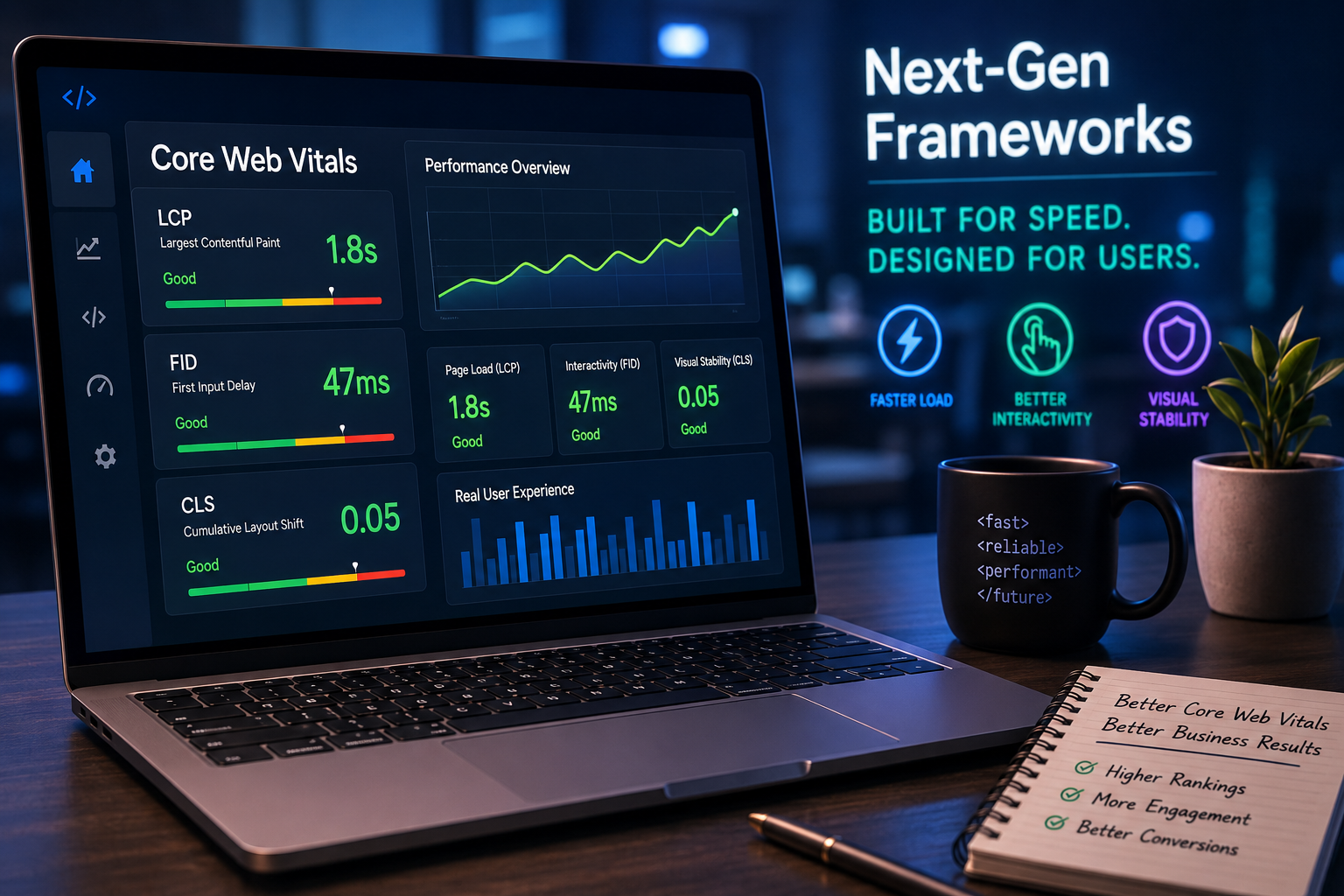
In today’s fast-moving digital landscape where user attention is fleeting and competition for engagement is intense, mastering Core Web Vitals performance has become a mission-critical task for developers and businesses alike. Core Web Vitals—specifically Largest Contentful Paint (LCP), First Input Delay (FID), and Cumulative Layout Shift (CLS)—represent the metrics Google prioritizes when assessing real user experience on the web. Next-generation frameworks are at the forefront of reshaping how developers build and optimize web applications to achieve exceptional performance scores. These modern toolkits and strategies not only enhance speed but also enable seamless interactivity and visual stability across devices and network conditions. As user expectations rise, embracing these progressive frameworks becomes less optional and more essential for delivering rich yet responsive digital experiences.
Understanding the Imperative of Core Web Vitals Optimization
Improving Core Web Vitals is no longer a nice-to-have—it’s a strategic SEO and UX requirement. Slow, janky, or unstable pages cost conversions and frustrate users. Largest Contentful Paint (LCP) measures loading performance, while First Input Delay (FID) captures responsiveness, and Cumulative Layout Shift (CLS) evaluates visual stability. Collectively, they define how fast and smoothly a page feels. Developers now lean into next-generation frameworks that ship less JavaScript, optimize rendering paths, and intelligently lazy-load content. For brands seeking competitive advantage, marrying performance with creativity is paramount. Businesses turning this into priority reap higher engagement, improved rankings, and measurable boosts in interaction rates. Tools and platforms that power performance aren’t just technical—they directly influence business outcomes and user delight.
Modern Frameworks: The Architects of Web Performance
Next-gen frameworks are designed around performance principles rather than retrofitted to fix issues. By default, these tools optimize code splitting, lazy loading, server-side rendering, and hydration strategies. With such capabilities inherent in frameworks, developers spend less time wrestling performance bottlenecks and more time delivering features. Central to this evolution is the ability to deliver only the necessary assets for initial render, deferring non-critical code until needed. This is where innovation in bundling techniques and runtime efficiencies set modern frameworks apart from traditional page-centric approaches. Companies adopting these frameworks often experience dramatic improvements in Core Web Vitals metrics without sacrificing design complexity or dynamic functionality.
How Next-Gen Frameworks Improve Loading Performance
One of the most impactful areas next-gen frameworks influence is loading performance, directly affecting LCP and overall perceived speed. Advanced prefetching and caching strategies, predictive asset loading, and minimal initial JavaScript payloads mean pages draw into view faster. Frameworks inherently prioritize important content, ensuring the largest meaningful elements render quickly. For developers exploring optimization tools, resources like the insightful analysis available at Wheerly – Boosting Web Performance with Next-Gen Frameworks provide examples of real-world performance gains and strategic guidance on implementation. These frameworks also adapt to device capabilities and network conditions, providing optimized delivery paths that respect mobile constraints while delivering rich desktop experiences.
Server-Side Rendering Versus Static Generation
Server-Side Rendering (SSR) and Static Site Generation (SSG) are staples of next-gen frameworks’ performance arsenals. SSR ensures content is pre-rendered on the server, delivering fully formed HTML to clients for immediate paint and improved SEO. SSG, on the other hand, builds pages at deploy time, delivering static assets that load exceptionally fast. Both approaches dramatically reduce time to first meaningful paint and improve Core Web Vitals outcomes. Developers choose based on use case—dynamic real-time data favors SSR, while content that changes less frequently benefits from SSG’s blazing speed. Many frameworks support hybrid approaches that combine techniques, delivering the best of both worlds for complex applications.
Code Splitting and Smart Asset Management
Large JavaScript bundles harm performance by delaying interactivity and slowing load time. Next-gen frameworks tackle this through code splitting—breaking code into smaller, demand-driven modules. Only essential code loads initially, while additional functions load asynchronously once needed. Smarter asset management also involves preloading critical styles, de-prioritizing non-essential fonts, and eliminating unused CSS and scripts. Developers gain granular control without manual overhead, as frameworks automate much of these optimizations. Reduced bundle size and improved network efficiency translate to superior First Input Delay and smoother user engagement, even on slower connections.
Intelligent Hydration and Partial Updates
Hydration—the process of attaching JavaScript to rendered HTML—is another performance frontier. Traditional hydration loads entire JavaScript bundles, leading to latency and delayed interactivity. Next-gen frameworks adopt intelligent or partial hydration, only activating components as users interact with them. This minimizes unnecessary work on page load, leading to snappier responsiveness. Users experience highly interactive pages without the typical JavaScript cost. By breaking complex pages into smaller, self-hydrating pieces, websites appear more fluid and responsive while consuming less CPU, battery, and bandwidth on both mobile and desktop devices.
Real-World Performance Gains with Edge and CDN Strategies
Beyond framework architecture, edge delivery and content distribution networks (CDNs) supercharge performance. Many next-generation frameworks integrate seamlessly with global edge platforms that cache and serve content closer to users. This reduces latency for loading critical assets and supports ultra-fast response times regardless of geography. Combined with intelligent routing, this approach maximizes speed across regions and devices. Responsive experiences delight users and reduce bounce rates while improving Core Web Vitals at scale. Companies that invest in edge-optimized deployments often see measurable growth in user satisfaction and search visibility.
Developer Experience Fuels Performance Culture
Performance-first frameworks not only deliver technical improvements but also enhance the developer experience (DX). Better tooling, error-proof defaults, and clear performance insights encourage developers to build efficiently from day one. Built-in analytics and performance dashboards drive deeper understanding of how code changes impact metrics. The result? Teams think in terms of performance as a feature, embedded in workflow and CI/CD pipelines, rather than an afterthought. This cultural shift results in healthier codebases, fewer regressions, and proactive performance monitoring across product lifecycles.
Measuring Success: Tools and Metrics for Core Web Vitals
Optimizing performance is an ongoing process, not a one-time event. Tools like Lighthouse, Chrome User Experience Report, and real user monitoring platforms provide actionable data on Core Web Vitals trends. Next-gen frameworks often offer metrics plugins, real-time reporting, and integration with analytics workflows. By measuring LCP, FID, and CLS continuously, teams can quickly identify regressions or improvements tied to new code or dependencies. This data-driven approach ensures performance remains strong as applications evolve, and empowers businesses to prioritize changes that yield the biggest user experience gains.
Conclusion
Next-generation frameworks represent a paradigm shift in the way web applications are built, deployed, and optimized. Moving beyond traditional approaches, these technologies are engineered to improve Core Web Vitals by default—reducing load times, enhancing interactivity, and stabilizing visual layout. Choices like server-side rendering, static generation, code splitting, and edge deployment work in harmony to deliver experiences users love. As competition for attention intensifies, developers and businesses that invest in performance infrastructures gain not only better search visibility but also improved retention, conversions, and user satisfaction. Embracing these frameworks is a strategic decision that elevates both technical excellence and business impact.