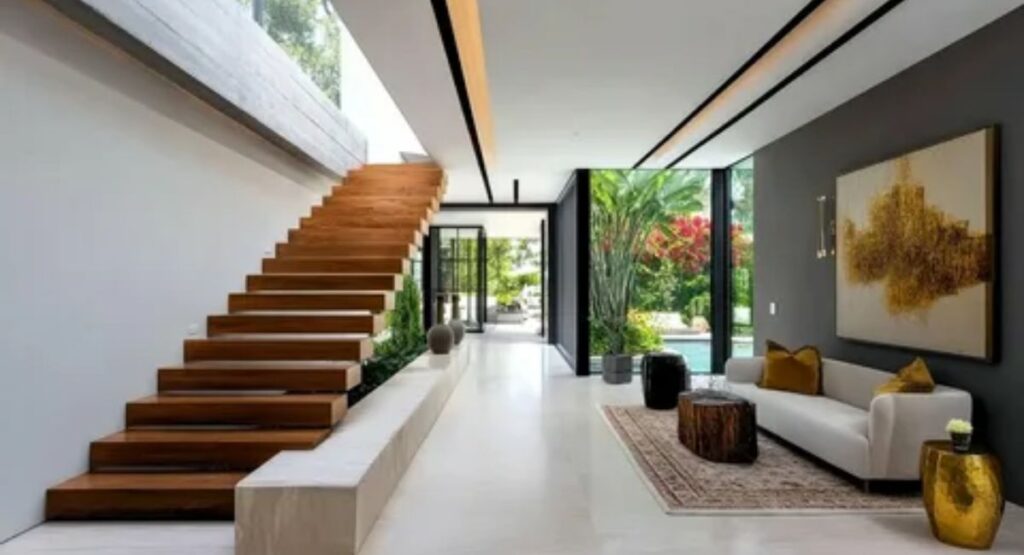
Luxury homes design demands more than expensive materials and large square footage. The best high end residences balance architecture, function, and personal identity into a single cohesive vision. Homeowners and builders looking to plan a project at this level often start by researching comparable properties and design inspiration through a platform like premium property listings before committing to a final layout.
This article walks through the core principles behind luxury homes design, from spatial planning to material selection and long term value.
Table of Contents
- What Defines Luxury Homes Design
- Planning the Right Layout and Flow
- Choosing Materials That Age Well
- Lighting and Architectural Details
- Outdoor Living and Landscape Integration
- Common Mistakes to Avoid
- Final Verdict
What Defines Luxury Homes Design
Luxury homes design isn’t defined by size alone. A smaller residence with thoughtful proportions and quality craftsmanship can feel more luxurious than a massive house with generic finishes. True luxury comes from intentional decisions, where every material, angle, and room placement serves a clear purpose rather than simply filling space.
Scale matters, but so does restraint. The strongest luxury projects avoid clutter and excess ornamentation, favoring clean lines and purposeful contrast instead. Designers who understand this balance create homes that feel expensive without relying purely on size or flashy finishes to make an impression.
Planning the Right Layout and Flow
A successful layout starts with how people actually move through the home. Luxury homes design prioritizes natural transitions between public spaces like living and dining areas and private zones such as bedrooms and home offices. Poor flow undermines even the most expensive finishes, since daily friction quickly outweighs aesthetic appeal.
Open concept layouts remain popular, but the best designers know when to introduce separation. Distinct zones for entertaining, relaxing, and working create a sense of intentionality that pure open space sometimes lacks. Ceiling height changes, level transitions, and strategic walls can define areas without sacrificing the overall sense of openness buyers expect at this price point.
Choosing Materials That Age Well
Material selection separates timeless luxury from short lived trends. Natural stone, solid hardwood, and high grade metals tend to outperform trendy finishes that look dated within a few years. According to Architectural Digest, enduring luxury design often favors classic materials paired with subtle modern updates rather than chasing fast moving style trends that quickly lose relevance.
Texture also plays a major role. Mixing matte and polished surfaces, layering wood with stone, and balancing warm and cool tones creates depth that photographs well and feels rich in person. Cheap substitutes might save money upfront, but they rarely hold their appearance or resale value over time.
Lighting and Architectural Details
Lighting design can make or break a luxury home. Layered lighting, combining ambient, task, and accent sources, creates dimension that single overhead fixtures simply cannot achieve. Natural light should also guide window placement and room orientation from the earliest design stages.
Architectural details like coffered ceilings, custom millwork, and statement staircases add character without overwhelming a space. These elements work best when used selectively, drawing attention to key areas like entryways or great rooms rather than repeating the same detail throughout every room in the house.
Outdoor Living and Landscape Integration
Luxury homes design increasingly treats outdoor space as an extension of the interior. Covered patios, outdoor kitchens, and seamless indoor outdoor transitions through large sliding doors have become standard expectations in high end projects rather than optional upgrades.
Landscape design should complement architecture rather than compete with it. Mature trees, layered plantings, and well placed hardscaping create a finished look that elevates curb appeal and overall property value, especially when paired with thoughtful exterior lighting that highlights the home after dark.
Common Mistakes to Avoid
Overdesigning is one of the most common pitfalls. Too many statement features competing for attention can make a home feel chaotic rather than luxurious. Restraint often separates polished projects from amateur ones.
Ignoring functionality for aesthetics also causes long term regret. Beautiful kitchens with poor storage or stunning bathrooms with impractical layouts undermine daily living. The best luxury homes design balances visual impact with real world usability, ensuring the space performs as well as it looks.
Final Verdict
Luxury homes design succeeds when architecture, materials, and layout work together with clear intention rather than excess. Thoughtful planning, durable materials, and balanced detailing create homes that feel timeless rather than trend driven. For anyone planning a high end project, prioritizing function alongside beauty remains the most reliable path to lasting value and genuine luxury.

